What Is an MS Angle?
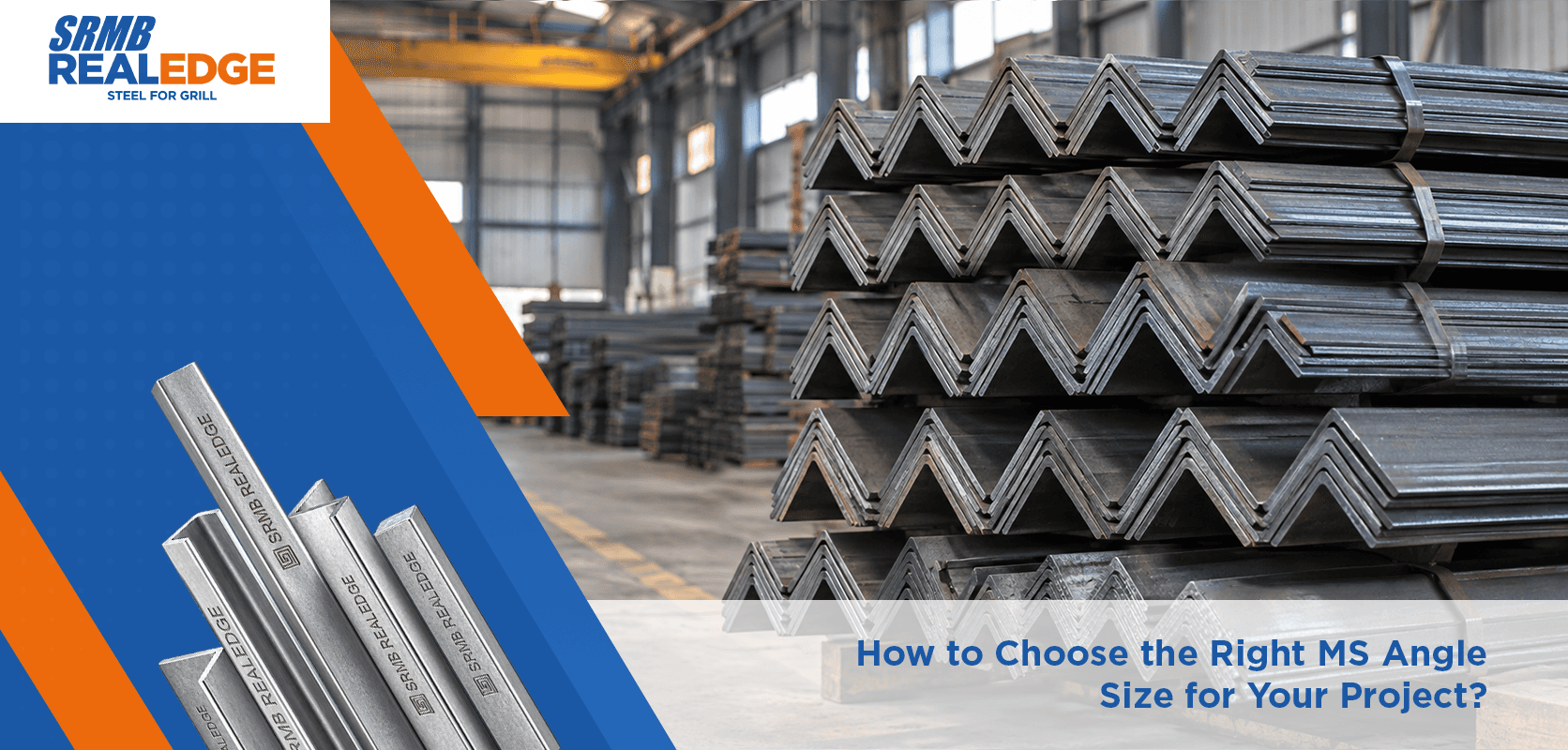
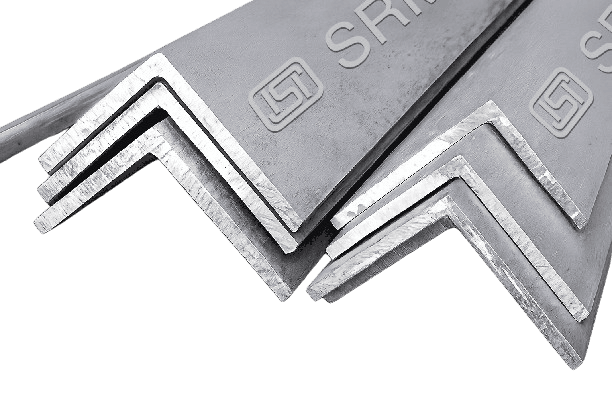
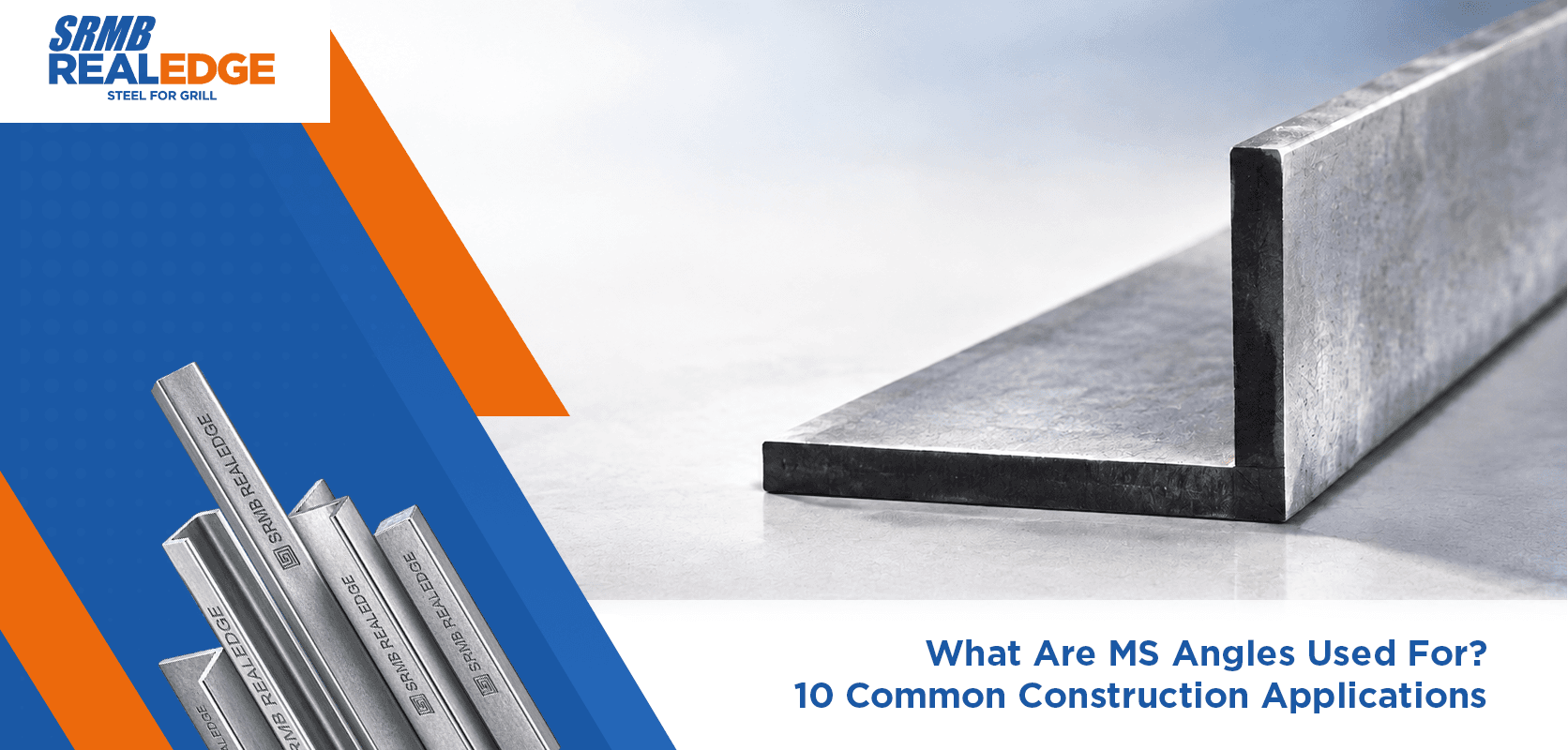
An MS angle, also called mild steel angle, L angle or structural steel angle, is an L shaped steel section rolled from mild steel billet. The two legs meet at a right angle, and the section is sold by leg length and thickness, such as 25 × 25 × 3 MM or 40 × 40 × 5 MM. This simple shape is what makes the section so versatile — the L profile resists bending along two directions at once, making it far stiffer than a flat bar of the same weight.
10 Common MS Angle Uses in Construction
.webp)
Main Gate Frames
The angle's right-angled shape gives a clean, strong edge to weld hinges and latches onto. Sizes 25×25×3 to 40×40×6 MM depending on gate weight.
.webp)
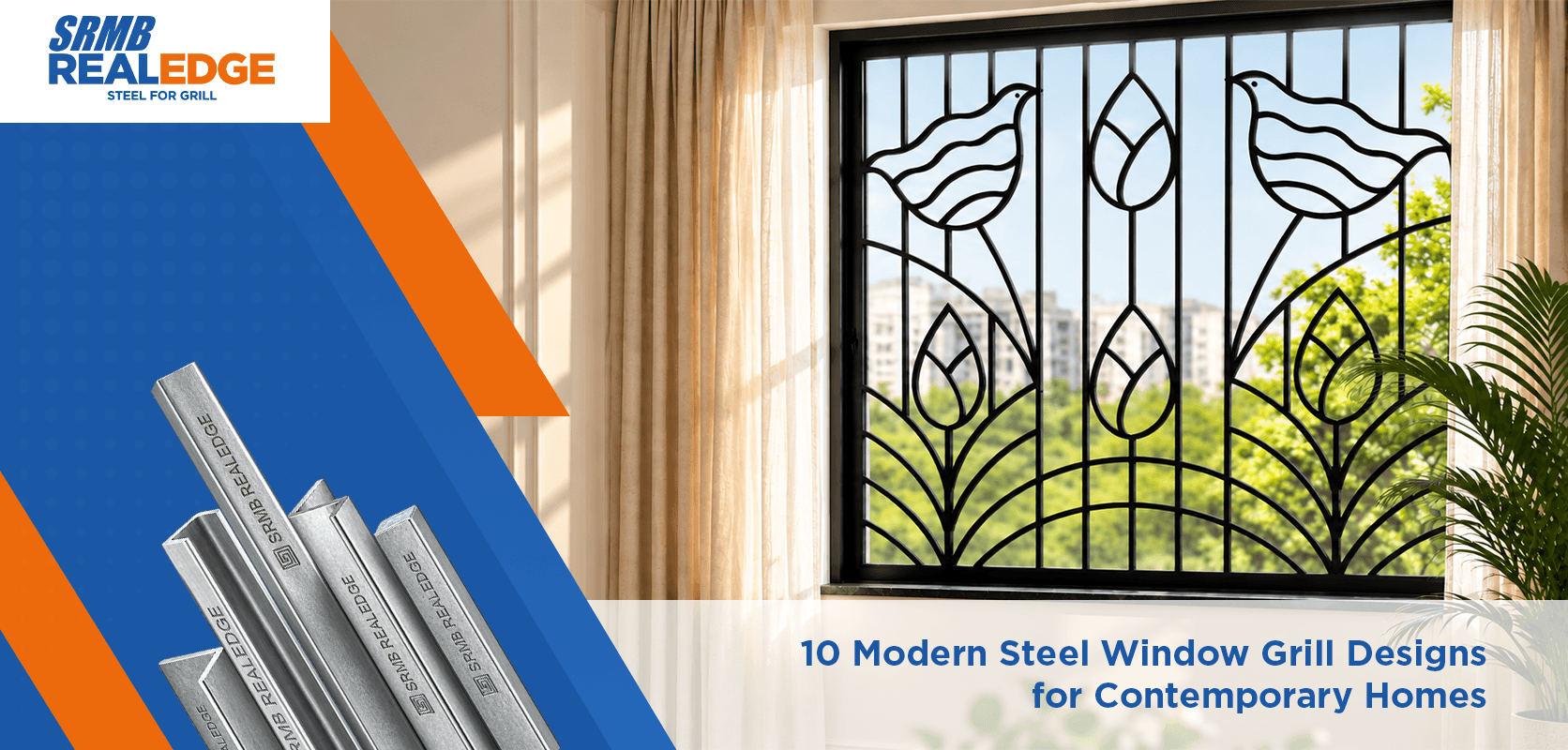
Window & Balcony Grills
The angle forms the outer border holding the decorative pattern in place. Lighter sections like 19×19×3 MM or 25×25×3 MM are typically sufficient.
.webp)
Staircase Railings & Stringers
Medium sections like 35×35×5 MM or 40×40×5 MM are common, chosen based on span length and the total load the staircase needs to carry.
.webp)
Roof Trusses & Purlin Support
Angles are welded into triangular truss patterns that spread roof load evenly. Typically 40×40×6, 50×50×4 or 50×50×5 MM for this structural work.
.webp)
Transmission Towers
Large scale applications in electrical towers, where angles form diagonal and vertical members. Heavy sections like 65×65×5 or 65×65×6 MM.
.webp)
Machine Bases & Equipment Frames
Industrial machinery sits on welded MS angle base frames. Dimensional accuracy is critical — BIS certified sections ensure consistent thickness.
.webp)
Shed & Warehouse Framing
Wall bracing, corner supports and door frames in sheds and warehouses. Usually specified in the 40×40×5 to 50×50×5 MM range.
.webp)
Furniture & Rack Frames
Steel racks, workbenches and shelving units frequently use lighter angles like 25×25×3 or 30×30×3 MM for stable, load-bearing edges.
.webp)
Vehicle & Trailer Frames
Angle sections reinforce corners and edges where the frame resists twisting under road load. Typically 40×40×6 to 50×50×5 MM range.
.webp)
Foundation & Cross Bracing
Diagonal angle members stop frames from swaying under lateral load like wind or seismic movement. Calls for the heavier end of the range.
MS Angle Sizes and Dimensions to Match Your Application
Since MS angle uses vary so widely, picking the correct size for the job matters as much as picking the material itself. The SRMB RealEdge range manufactured to IS 2062:2011 covers:
| Size (MM) | Weight Range | Best Suited For |
|---|---|---|
| 19×19×3 — 25×25×3 | Light | Window grills, light decorative work, furniture |
| 25×25×5 — 35×35×5 | Medium-Light | Gate frames, balcony grills, furniture racks |
| 40×40×5 — 40×40×6 | Medium | Main gate frames, staircase railings, shed framing |
| 50×50×4 — 50×50×5 | Medium-Heavy | Roof purlins, shed trusses, bracing |
| 65×65×5 — 65×65×6 | Heavy | Transmission towers, heavy structural bracing |
Why BIS Certification Matters Across All Applications
SRMB RealEdge structural sections — including MS angle, MS flat, MS square, gate channel and Z angle — are BIS certified and produced at an IMS certified facility holding ISO 9001:2015, ISO 14001:2015 and ISO 45001:2018 certifications, and recognised as a Five Star rated Green Steel Producer by the Ministry of Steel. Each batch is rolled from captive billet, passed through automated block mills with tungsten carbide rollers, then straightened on a walking type cooling bed.
Why BIS Certification Matters Across These Applications
Whatever the specific MS angle uses on your project, certification is what tells you the steel will actually behave the way your design assumes it will. Steel carrying the BIS mark has been tested against Bureau of Indian Standards requirements for dimensional accuracy, chemical composition and mechanical strength.
For structural MS angle uses like towers, trusses and bracing, this consistency is not optional. A section that is even slightly under thickness or improperly straightened can throw off load calculations across an entire structure. For lighter MS angle uses like grills and furniture, certified steel still pays off through smoother finishing, fewer weld defects and a longer service life.
Frequently Asked Questions
What are the main uses of MS angle in construction?
The main MS angle uses in construction include gate frames, window and balcony grills, staircase railings and stringers, roof trusses, shed and warehouse framing, machine bases, transmission towers and cross bracing. The L shaped section is chosen because it resists bending in two directions while remaining light and easy to weld.
Which MS angle size is best for a gate frame?
For most home and commercial gate frames, 25×25×3 MM or 30×30×3 MM MS angle is common for lighter gates, while 40×40×5 MM or 40×40×6 MM is used for heavier, larger gates that need extra rigidity.
Can MS angle be used for heavy structural work like towers and trusses?
Yes. Heavier MS angle sizes such as 50×50×5 MM and 65×65×6 MM are commonly used in transmission towers, roof trusses and cross bracing, where the section needs to carry significant structural load and resist wind or seismic force.
What is the difference between MS angle uses in decorative work versus structural work?
Decorative MS angle uses such as window grills and furniture frames generally rely on lighter sections like 19×19×3 MM or 25×25×3 MM, since the load is minimal. Structural MS angle uses such as trusses, towers and bracing need thicker, heavier sections because they carry real load bearing responsibility.
Why should MS angle be BIS certified for construction applications?
BIS certified MS angle has been tested for dimensional accuracy and mechanical strength against Bureau of Indian Standards requirements, which ensures the steel performs as expected across all MS angle uses. This reduces the risk of weld failure, inconsistent sizing and structural weakness, particularly in load bearing applications.